How We Snagged the #1 Google Spot for a $50k Service Keyword in Just 54 Days
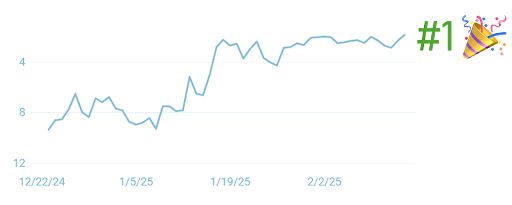
Let me tell you something wild: we scored the #1 position on Google for a high-converting keyword in just 54 days.
That's not a typo. Fifty. Four. Days.
And it wasn't some obscure keyword that only your grandma's cat would search for. We're talking about a money term – "how much does [$50k contractor service] cost" – with 1,000 monthly searches from people ready to whip out their credit cards.
And how we’re 11 weeks since it went live, the page has racked up over 5,000 impressions and 142 clicks from people who are actively looking to invest upwards of $50k a pop. Talk about striking gold.
So, how'd we do it? Magic? Shady backlink schemes? A blood sacrifice to the Google gods?
Nope, none of that nonsense. Just a strategic approach that addresses what both Google and actual humans want.
Why This Matters (Like, Actually Matters)
Before I take you on a tour of the "how," let's be crystal clear about the "why."
Most business owners are wasting their time crafting beautiful blog posts about topics nobody cares about. Or worse – topics people care about but have zero intention of spending money on.
The difference between a keyword that brings traffic and a keyword that brings paying customers is like the difference between a participation trophy and an Olympic gold medal.
We laser-focused on bottom-of-funnel searches – the kind made by people who:
Already know they want the service in question (check)
Are researching costs to pick a contractor (check)
Have their wallets ready (big check)
This is NOT a traffic game – it's a TRAFFIC THAT CONVERTS game. And that, my friend, is the whole ballgame.
The Strategic Framework That Actually Worked
1. We Targeted Bottom-of-Funnel Keywords (Because Duh)
So many marketers are seduced by big search volume numbers without considering where those searchers are in their journey.
Picture this: Someone types "kitchen remodel," which gets over 33,000 searches a month. Alluring, right?
Wrong! Your chances of ranking at the top for that keyword are null.
The keyword “how much does a small kitchen remodel cost,” on the other hand, only gets 320 searches a month. BUT…and this is a very big BUT, those searchers are IN BUYING MODE.
The first person is just window shopping. The second person? They're mentally measuring their kitchen and calling contractors like now.
We went straight for the jugular – targeting people who:
Already knew they wanted the service
Were comparing prices to make a final decision
Just needed that last push to pick up the phone
This approach meant every visitor was pre-qualified and ready to convert. No tire-kickers allowed.
2. We Leveraged an Established Domain (Because Starting From Scratch is Hard)
Look, I'm all for the underdog story, but let's be real – established domains have a huge head start in the SEO game.
Our client's domain had been around for years, with content about related home improvement topics already indexed and trusted by Google.
This isn't something you can fake. Google's trust isn't handed out like candy on a spooky holiday – it's earned through consistent, quality content over time.
The established domain gave us a running start that helped us reach the finish line in record time.
3. We Answered the Damn Question (Revolutionary, I Know)
Want to know the single most effective SEO strategy in 2025? Answer the user's question quickly and thoroughly.
Mind-blowing, right?
We put the actual answer to the keyword right at the top of the article. No making people scroll through paragraphs of fluff first.
We structured the entire piece logically with:
Direct answer in the opening paragraph
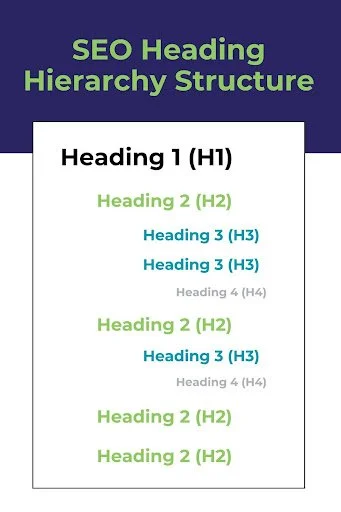
Hierarchical headers (H2s, H3s) that followed natural thought progression
Short, scannable paragraphs that didn't make readers' eyes glaze over
Google loves this because readers love this. And readers love this because it doesn't waste their time.
4. We Made It Ridiculously Easy to Read
Ever try reading War and Peace on your phone while waiting for coffee? Yeah, not happening.
We designed the content with actual humans in mind:
Mobile-friendly formatting so it didn't look like garbage on phones
Perfect text width so readers' eyes didn't bleed
Short paragraphs that kept visitors visiting
Strategic white space that gave the content room to breathe
Bullet points (like these!) that break up information
The result? People actually read the content instead of bouncing faster than a toddler on espresso.
5. We Added Custom Graphics (That Rocked)
Let's be honest – most "custom graphics" in blog posts look like they were made by a first-grader using MS Paint during a sugar rush.
We created visuals that actually added value:
A header image that illustrated the concept (a picture of the completed service, shocking!)
Comparison graphics showing different options with price ranges
Icon-based lists that made information easier to digest
These weren't just pretty pictures – they reinforced the content and kept readers engaged longer. Google notices when people stick around instead of hitting the back button.
Bonus points - one of the article images ranked at the top of AI results lickety split too.
6. We Focused on Conversions (Because Traffic Without Sales is Just Expensive Vanity)
Here's where most content marketers drop the ball – they get so excited about traffic that they forget the whole point is to generate actual business.
We strategically placed "Schedule a Free Consultation" buttons throughout the content, with the first one appearing near the top for the impatient buyers.
Multiple conversion points were sprinkled throughout, appearing at exactly the moment when a reader would be thinking, "Hmm, this seems reasonable, I wonder who could build this for me?"
The Results (AKA The Juicy Part)
Within 54 days of publishing, we hit:
#1 ranking position for "how much does a 12x12 sunroom cost"
2,780+ search impressions within the first 11 weeks
76+ highly qualified clicks from ready-to-buy prospects
Consistent lead generation without spending a dime on ads
The page continues to drive qualified leads long after that initial 54-day sprint. That's the beauty of strategic content – it's an asset that keeps working while you sleep.
Why This Approach Crushed It
Our rapid success wasn't luck or dark SEO voodoo – it was a methodical approach that considered:
Search intent alignment: We gave searchers exactly what they wanted (pricing info) without making them work for it
User experience first: We designed for humans, not algorithms
Strategic keyword selection: We chose terms with high conversion potential, not just high volume
Conversion optimization: Every element guided visitors toward becoming leads
Domain authority leverage: We built on existing site strength rather than starting from scratch
Let's Get You to #1 Too
Look, I'm not going to pretend this strategy works for every keyword under the sun. But for bottom-of-funnel terms with commercial intent? This framework is pure gold.
If you're tired of creating content that doesn't drive actual business results, let's talk. We'll focus on the keywords that actually put money in your pocket, not just pad your vanity metrics.