Out-of-the-Box Backlinking Strategies to supercharge your rankings
It’s no secret that to rank well on Google, your site needs to have backlinks from authoritative sources.
The problem is that those can be hard to come by, short of paying for them or using shady SEO tactics.
Very hard.
That doesn’t mean it’s impossible to score some great backlinks, but it requires a pinch of creativity and a pound of pure elbow grease.
Oh, and great content is also a prerequisite.
But, if you’re willing to put in the work, these strategies can help you nab some great backlinks (and rank higher in the process).
Do a little tearing down
In a good way, that is.
Dig into the outcome of a strategy, either one you experienced first-hand or your analysis of someone else’s efforts.
Case Studies on Steroids
If you decide to talk about your own triumphs, walk your audience through the specifics. Don’t hold back—a teardown educated your audience about what you did instead of throwing a bunch of numbers at them.
This approach is basically a case study, but one that’s packed full of relevant, actionable information.
Don’t just give your audience the “what” (i.e. the outcome), give them the how—how you achieved results.
Your readers should come away from your teardown with ideas for how to apply what you’ve done to their own business (and a reason to backlink to you).
Analyzing Someone Else’s Work
Teardowns aren’t limited to your own experience. You can offer your audience value and a reason to link to your site by analyzing someone else’s success.
In this example, CB Insights explores Microsoft’s rise to becoming the world’s most valuable company.
What’s great about this piece is that it’s in-depth and offers detailed insights into Microsoft’s growth strategies.
This teardown also has simple but effective graphics interspersed throughout—graphics that others will use on their own websites.
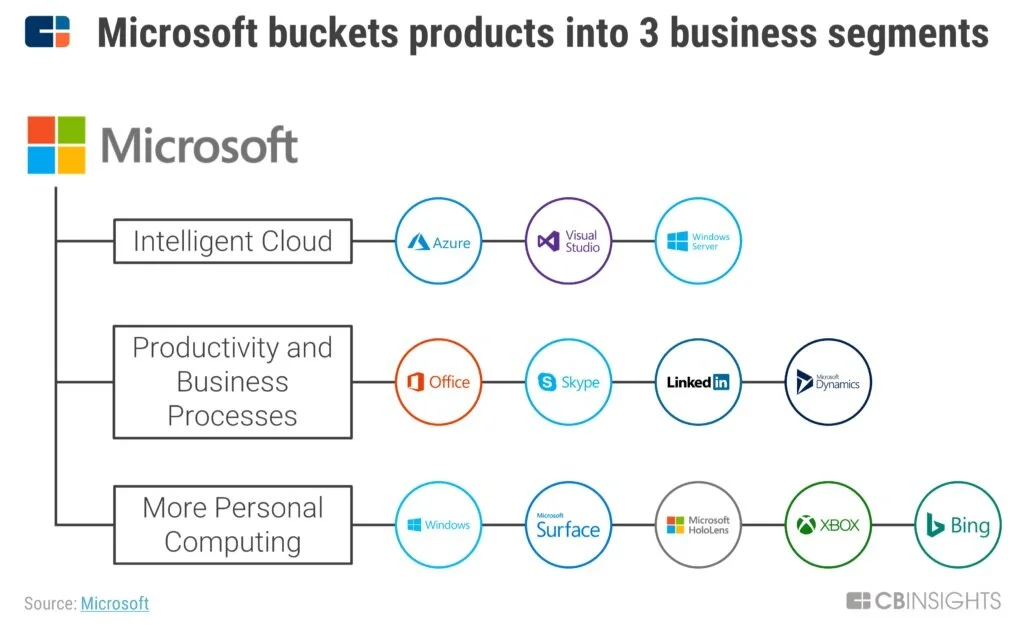
While going into such a comprehensive level of information helps investors and business strategists, the real purpose behind this teardown is to target prospective clients for CB Insights’ research platform.
By demonstrating their understanding of the market and how their platform can help other businesses gain similar insights, CB Insights has created a backlinking magnet that also drives conversions.
Be Open about Failures
There are so many posts out there about succeeding. To give your audience something fresh, try walking through a failure you’ve had and what you learned from it.
Where did you go wrong? What would you do differently? How has this failure helped you in the long run?
Having the courage to reveal your failures shows humility, relatability, and transparency—all qualities that attract readers, backlinks, and customers.
Curating for the Cure (to no backlinks)
Curating works well because you shoulder the effort of finding interesting or educational or inspiring resources for your audience.
That doesn’t mean that you can get away with dumping a bunch of bullshit together and running. You have to add your own spin on why something is important and what the takeaway is.
But, the payoff can be huge.
Not only will your audience find it useful, but the content you point to in your article has a reason to link back to you. (You gotta let em know about your post, though.)
I like this post by Wishpond which details 77 tools to help with content marketing.

The post itself is useful for content marketers who want to keep abreast of new ways to amp up their efforts.
But it also gives 77 websites a reason to link back to Wishpond. By offering these resources free exposure to their ~1 million visitors per month, Wishpond has given each one an incentive to return the favor.
It’s easy to see how the backlinks can stack up if you publish a few of these types of curated lists a month.
Use Some &*#!@$} Humor
When’s the last time you laughed at a meme or a gif or a cartoon? Be honest (no one will know, I swear).
Humor triggers positive emotion in people, particularly if they can relate to the joke. That’s why silly videos of cats jumping at cucumbers spread like wildfire.
You can harness the power of humor to your advantage in a few ways.
First is to commission marketing cartoons related to your industry. This example from Marketoonist is something content marketers can relate to.
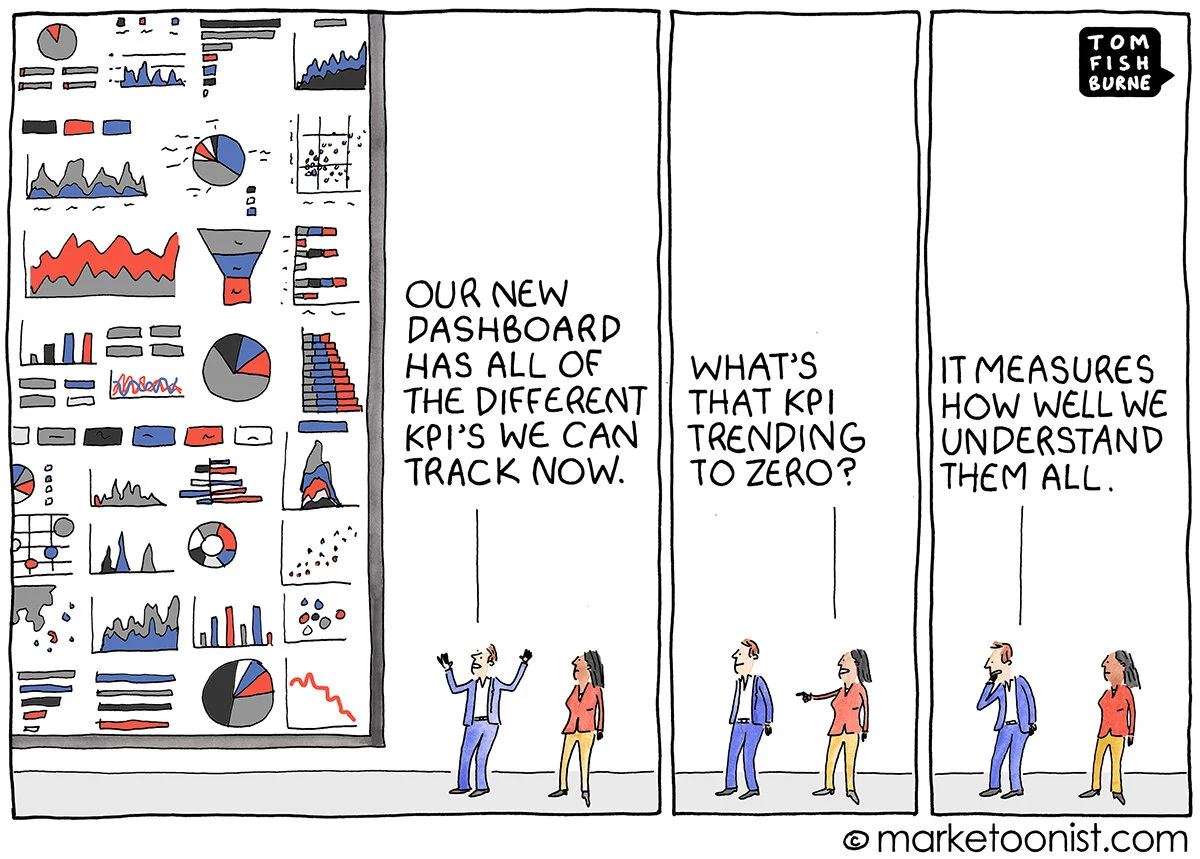
(And look, Marketoonist earned a backlink from me.)
Uploading outtakes of your YouTube videos or podcast interviews is another way to get a few chuckles (and backlinks).
Ultimately, injecting a little humor into your content makes your company more human and appealing.
Facilitate a Study
In this article, I laid the groundwork for an inbound tactic that I’m calling strategic benchmarking. The basic premise behind this approach is to interview companies within your target market on their best practices in a certain area, compile the results, and publish them.
While the article I linked explains how to use benchmarking to land new clients, it can work well for earning backlinks as well.
By publishing custom research, you set yourself up as an authority people can link to whenever they reference your data.
State of Inbound
Hubspot’s State of Inbound report is a great example of this idea. By surveying content marketers, aggregating the results, and providing them to anyone who wants the data, Hubspot has built a powerhouse that’s attracted tens of thousands of backlinks.

This type of resource helps content marketers plan their strategies for the year, bone up on current trends and best practices, and justify content marketing expenses to their higher-ups.
The way data is visualized also adds to the report’s street cred and makes it a link-worthy asset.
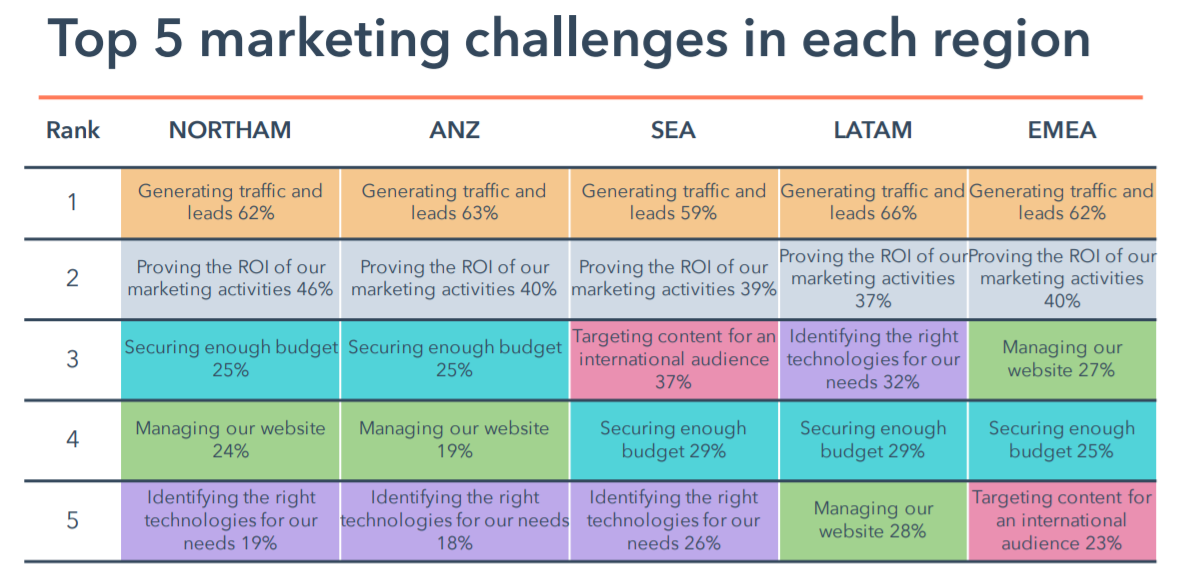
The report is a great resource to cite when writing articles or developing infographics about inbound marketing—so it naturally draws a lot of backlinks.
Starting Small
The great news about using strategic benchmarking is that it’s easy to start small and scale—and doesn’t require intensive, prolonged effort.
By surveying professionals in your own industry, you’ve already overcome one hurdle: experience. You can speak their language and know what questions to ask.
Since you’re facilitating the study, you can decide how big or small to make it. Whether you want to interview 20 participants or 2,000, it’s up to you.
People will have an incentive to participate in your study if you offer them exclusive access to the insights you develop after compiling answers. And they’ll have a reason to backlink to you to boost their reputation as participants in the study.
Backlinking can be backbreaking, but worth it when paired with kickin’ content
Unfortunately, there’s no easy peasy white hat way to magically attract thousands of high-quality backlinks.
But, with some effort and creativity, you can earn those backlinks while providing value to people who visit your site.
And, what’s more, these backlinking strategies go hand-in-hand with something even more important than Google rankings: offering value to your audience.
Getting people to your website is part of the sales process, but it’s not the endgame. The whole point of earning backlinks to rank better on Google is to drive people to your site so that they read your content and become customers.
Having a million backlinks doesn’t mean anything unless you get a return from those backlinks. That’s why it’s critical to have useful content that’s part of a larger strategy to onboard more customers.
Ultimately, isn’t that the whole point of content marketing?